Why is roof flashing important?
Your roofing is made from many different components that come together to protect your home or business. Whether it’s new commercial roofing or a domestic roof, one of the common elements you’ll see is flashing. This vital roof part has many benefits, playing a significant role in keeping your property as weatherproof as possible.
Here’s everything you need to know about why roof flashing is so important.
What is roof flashing?
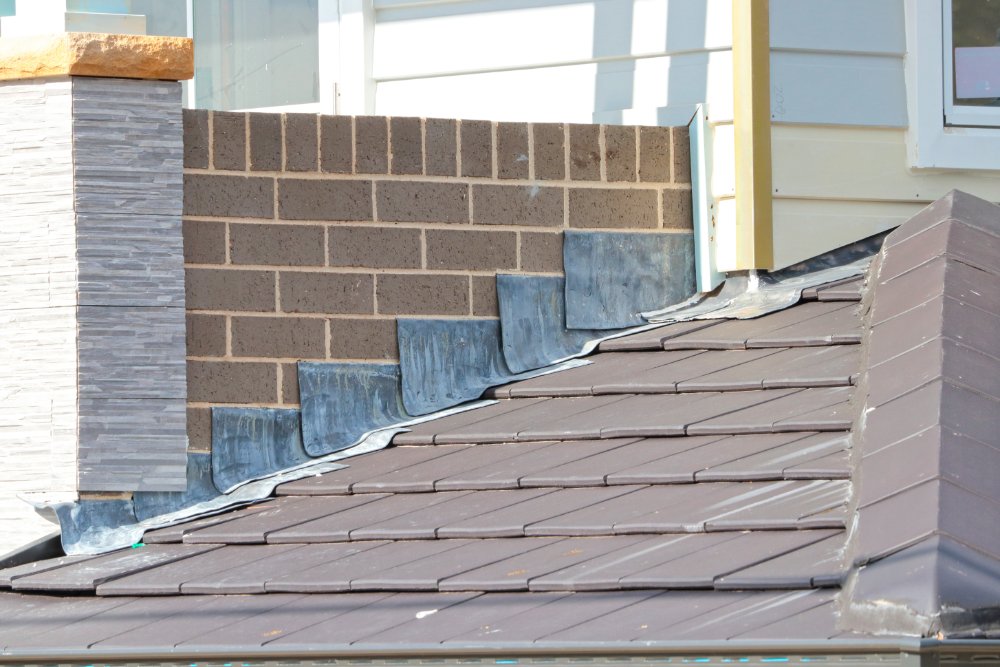
Roof flashing is a material used to protect weaker areas of your roof. Whether it’s a flat or sloped roof, there are lots of vulnerable spots where water could make its way into the internal structure. This often happens where different sides meet, including the areas around chimney stacks, roof edges, valleys, skylights and other protrusions. Roof flashings cover these spots to make the structure as watertight as it can be.
What are the benefits of roof flashing?
Flashings act as a waterproof layer to allow rainwater to run off the property rather than seep into any gaps. If installed correctly, roof flashing ensures a long-lasting, watertight roof. This helps to greatly reduce roof issues, such as property leaks and other concerns like mould and mildew forming in the internal rafters of your loft area. If left untreated, this can lead to more significant, costly structural problems with your roofing.
Can flashings be used on flat and pitched roofs?
Yes, roof flashings are suitable for both flat and sloped areas. It’s imperative that modern flat roofs are as waterproof as possible due to the problems seen in the past with outdated roofing methods.
Due to the ‘flat’ nature of this type of roofing, water can pool in certain spots, causing bowing and faster material deterioration. In stormy conditions, the collected water may even blow sideways under membranes, resulting in leaks. Flashings are often used to combat this issue, but flat roofing upgrades are advised if the current structure has inadequate drainage.
What type of flashings should you choose?
Flashings can look aesthetically pleasing if applied professionally using high-quality materials, creating a neat border around protrusions and along edges. They can be manufactured in various materials, from lead, aluminium and copper to steel, felt and rubber.
When you speak to your contractor about upgrading your roof, they’ll assess your current roof and recommend the most viable solutions for making your new roofing as watertight as it can be.
If new flashings are an option, discuss the different materials available, how they’ll look and the functional benefits. They may even suggest applying multiple materials to combat previous issues with water ingress at your property. This can reduce the number of repairs required further down the line.
Create a watertight roof
Would you like to improve how watertight your roof is? Speak to the team at South Thames Roofing. We specialise in all types of modern roofing, coming out to South London and Surrey locations such as Epsom and Fulham. To get started with a free quote, call now on 0208 397 2900 or email our team at [email protected].